Better Energy Savings and Year-Round Comfort Start Inside Your Walls
Proper drywall installation helps your insulation do its job. When drywall is installed the right way, it seals gaps, limits air leaks, and supports steady indoor temperatures. If it is rushed or done poorly, even good insulation will struggle. That can mean higher energy bills and rooms that never feel quite right.
Quick Diagnosis Summary
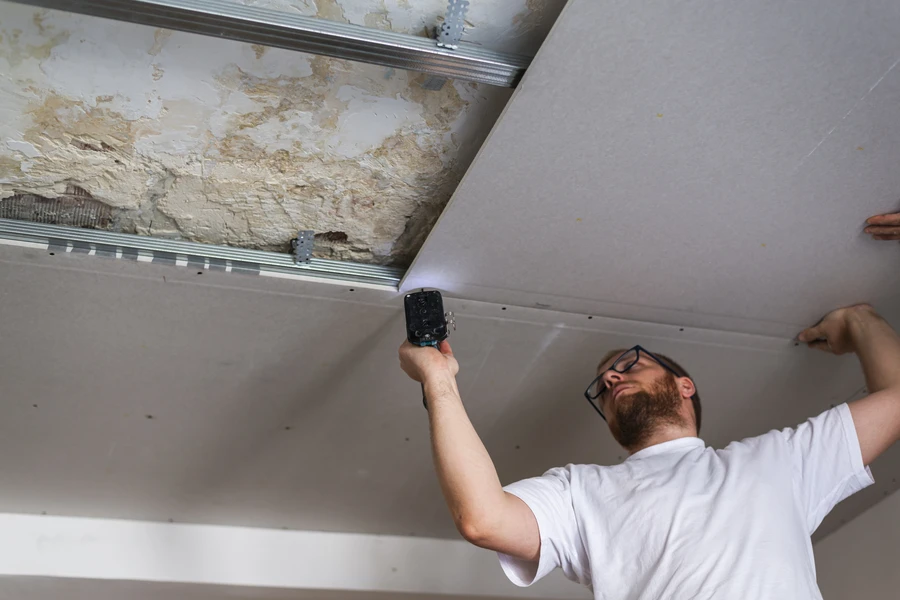
If your home feels drafty, uneven in temperature, or costly to heat and cool, poor drywall installation could be part of the problem. Insulation works with drywall as a system. When drywall panels do not fit tight, or seams are not sealed well, air can move through the walls. That air flow reduces the power of the insulation behind it.
Common Symptoms of Poorly Installed Drywall
You may not see insulation problems right away, but you can often feel them. Look for these signs:
- Rooms that are colder or hotter than the rest of the house
- Drafts near outlets or baseboards
- High utility bills with no clear reason
- Noise traveling easily between rooms
- Small cracks along drywall seams
These issues may seem minor. Over time, they can add up to real discomfort and extra costs.
Likely Causes Behind the Problem
Several installation mistakes can weaken insulation performance.
One common cause is gaps between drywall sheets. When panels are not cut or aligned well, small spaces are left behind. Air slips through those spaces and lowers the wall’s ability to block heat and cold.
Another cause is missing or poorly sealed joints. Joint compound and tape are not only for looks. They help close seams so air cannot pass through.
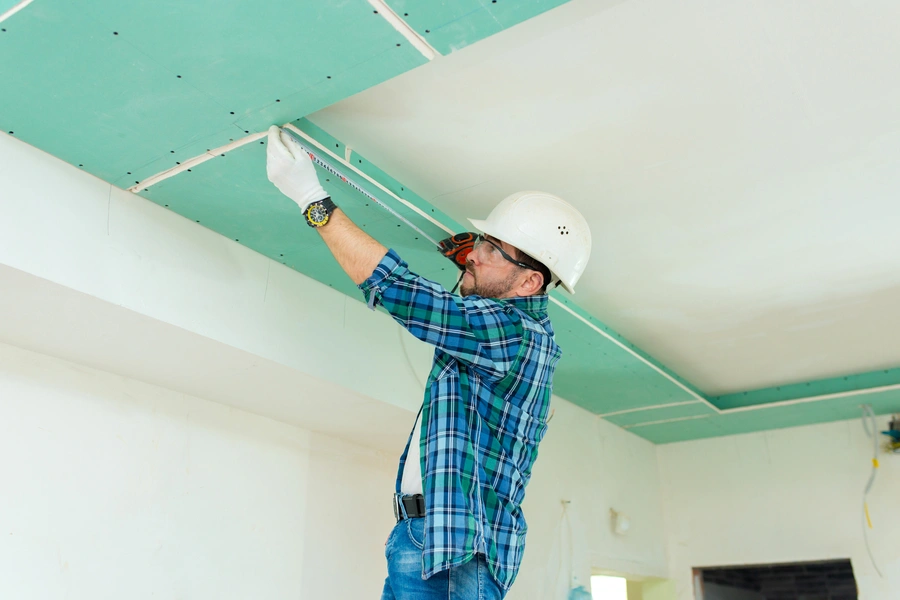
Improper fastening is another issue. If drywall is not secured tightly to the studs, small openings can form behind the panels. This makes it easier for air to move inside the wall cavity.
Even electrical boxes can be trouble spots. If drywall installation around them is sloppy, tiny gaps may form. Those gaps allow air to leak through the wall.
What to Check First
Before opening up your walls, start with simple checks.
Stand near exterior walls on a windy or cold day. Move your hand slowly across outlets and baseboards. If you feel cool air, you may have sealing issues.
Look for visible cracks along seams or corners. Small hairline cracks can point to movement or poor taping.
Also check your attic and crawl space insulation. Sometimes the problem is not just the drywall but how the whole wall system was put together.
Safe Fixes Vs Pro-Level Fixes
Some minor issues can be handled without major work. Others require a trained hand.
Safer fixes for homeowners:
- Apply new caulk along baseboards
- Seal small gaps around outlets with foam gaskets
- Repair tiny surface cracks with joint compound
These steps can cut down on small air leaks.
Pro-level fixes:
- Removing and replacing poorly installed panels
- Resealing large sections of seams
- Correcting misaligned framing that affects drywall fit
- Upgrading insulation behind the walls
When drywall installation is the root cause, patchwork may not be enough. Full correction may be the best path for long-term results.
How Proper Installation Supports Insulation
Drywall acts like a protective shell for insulation. When panels are tight and seams are sealed, air movement slows down. This helps insulation trap heat in winter and block heat in summer.
It also adds a layer of sound control. Gaps in drywall let both air and noise travel easily. A well-finished wall improves comfort in many ways.
Good drywall work also keeps moisture in check. Air leaks can carry moisture into wall cavities. Over time, that moisture can damage insulation and framing. Solid installation reduces that risk.
Prevention Tips for Future Projects
If you are planning a remodel or new build, focus on quality from the start.
- Hire experienced installers with strong references.
- Ask about sealing methods at seams and joints.
- Check that panels fit snugly around windows and doors.
- Make sure insulation is placed correctly before drywall goes up.
- Inspect finished walls before painting.
Small details during installation make a big difference over time.
Final Recommendation and Help
If your walls feel drafty or your energy bills seem too high in Colton, CA, I can take a close look and explain what is going on. At JC Drywall, I focus on careful drywall installation that supports strong insulation and lasting comfort. Call me at (909) 645-2368 to talk about your project or to schedule an inspection, and I will help you figure out the next step.