How Walls Go From Open Framing to Smooth, Paint-Ready Surfaces
Drywall installation is the step that turns exposed wall studs into solid, smooth walls ready for paint or texture. The process includes measuring, cutting, hanging panels, taping seams, applying joint compound, sanding, and finishing the surface. When done right, drywall creates clean lines and a strong base for the rest of your space.
Quick Overview of How It Works
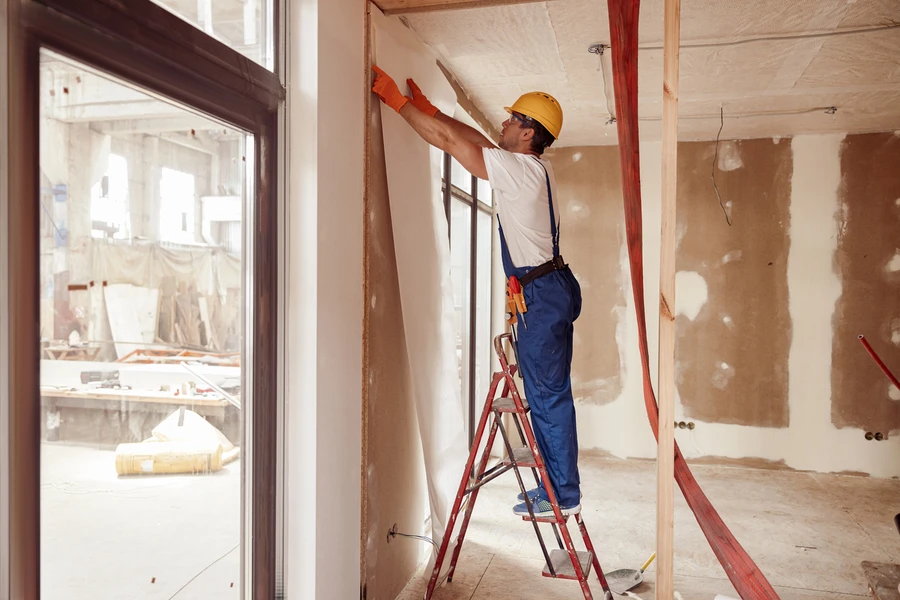
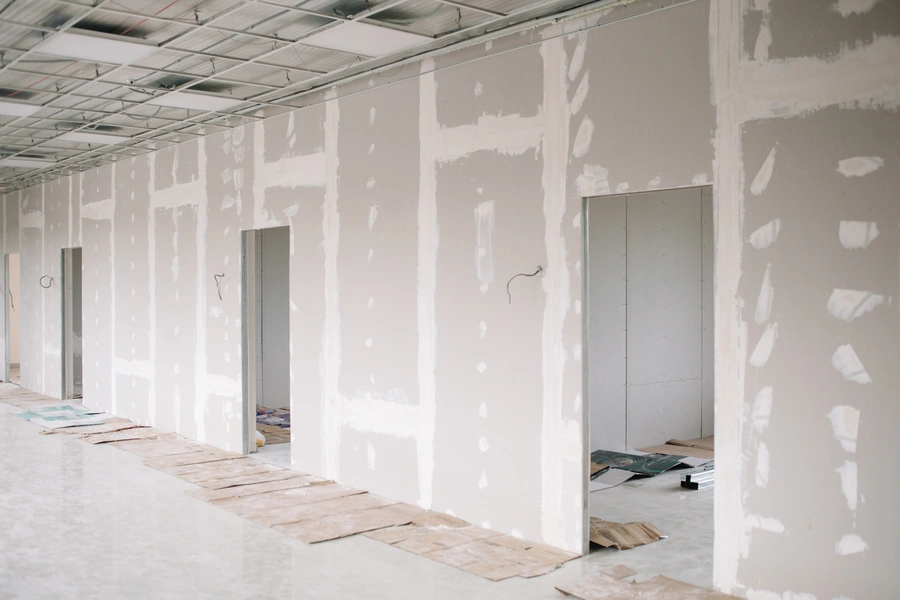
Drywall installation starts after framing, plumbing, and electrical work are complete. Large drywall sheets are attached to wall studs or ceiling joists. Seams between the boards are taped and covered with joint compound. Once dry, the surface is sanded smooth. This step may be repeated several times until the wall looks even and seamless.
After sanding, the drywall is ready for primer, paint, or texture. Each step builds on the one before it, so careful work early on makes finishing much easier.
What You Need Before Starting
Before starting drywall installation, proper prep work saves time and stress. You need the right tools and a clear space.
- Drywall sheets
- Drywall screws or nails
- Drill or screw gun
- Utility knife
- Tape measure and level
- Joint tape
- Joint compound
- Drywall knives
- Sanding block or pole sander
You also need a stable ladder and safety gear like goggles and a dust mask. Drywall dust spreads fast, so covering floors and sealing off other rooms helps keep the mess under control.
Step-by-Step Drywall Installation Process
- Measure the wall or ceiling. Check height and width. Cut drywall sheets to fit tightly but not forced.
- Cut openings. Mark and cut spaces for outlets, switches, and vents before hanging the sheet.
- Hang the drywall. Lift sheets into place. Secure them to studs with screws spaced about 12 to 16 inches apart.
- Stagger seams. Avoid lining up seams in a straight line. This makes the wall stronger.
- Apply joint tape. Cover all seams and inside corners with tape.
- Spread joint compound. Use a drywall knife to apply a thin layer over tape and screw heads.
- Let it dry and sand. Once dry, sand lightly to remove ridges.
- Add more coats. Apply at least one or two more thin coats, sanding between each.
Each coat should be wider than the last. This helps blend the seams into the rest of the wall so they disappear once painted.
Common Mistakes to Avoid
Drywall installation looks simple, but small mistakes can show up later.
- Using too many screws, which can break the paper surface
- Not driving screws deep enough
- Applying thick layers of joint compound
- Skipping sanding between coats
- Rushing dry time
Thick compound takes longer to dry and is harder to sand. Thin, smooth coats work best. Also, poor alignment of seams can cause visible lines after painting. Taking time during hanging makes finishing easier.
When to Call a Professional
Small patch jobs can often be handled by a handy homeowner. Larger projects like whole-room drywall installation, ceiling work, or water-damaged areas may require more skill. High ceilings and detailed corners can also be tricky.
If framing is uneven or walls are badly damaged, a professional can adjust and correct these problems before finishing. This leads to a cleaner, longer-lasting result. A smooth wall may look simple, but it takes practice to get that flawless finish.
Get Professional Help for Your Project
If you need help with drywall installation in Colton, CA, I can handle the job from start to finish. At JC Drywall, I focus on clean lines, smooth finishes, and careful prep work so your walls are ready for paint. Call me at (909) 645-2368 to talk about your project and see how I can help bring your space together.